Virtual Reality (VR) and Augmented Reality (AR) are no longer just concepts from science fiction movies. As a Unity XR developer who has worked extensively with these technologies, I can confidently say that VR and AR are reshaping the gaming landscape in ways we never imagined.
From my experience developing VR games and AR applications, I've witnessed firsthand how these technologies create unprecedented levels of immersion and interactivity. Today, I want to share insights about where VR/AR gaming is headed and why developers should embrace these platforms.
"VR and AR don't just change how we play games; they fundamentally transform how we experience digital worlds." - Dharmik Gohil
The Current State of VR/AR Gaming
The VR/AR gaming industry has made remarkable progress in recent years:
- Hardware Advancements: Lighter, more powerful headsets with better tracking
- Improved Accessibility: Lower costs and easier setup processes
- Content Quality: More sophisticated games and experiences
- Platform Support: Better development tools and frameworks
Why VR/AR Gaming is the Future
1. Unprecedented Immersion
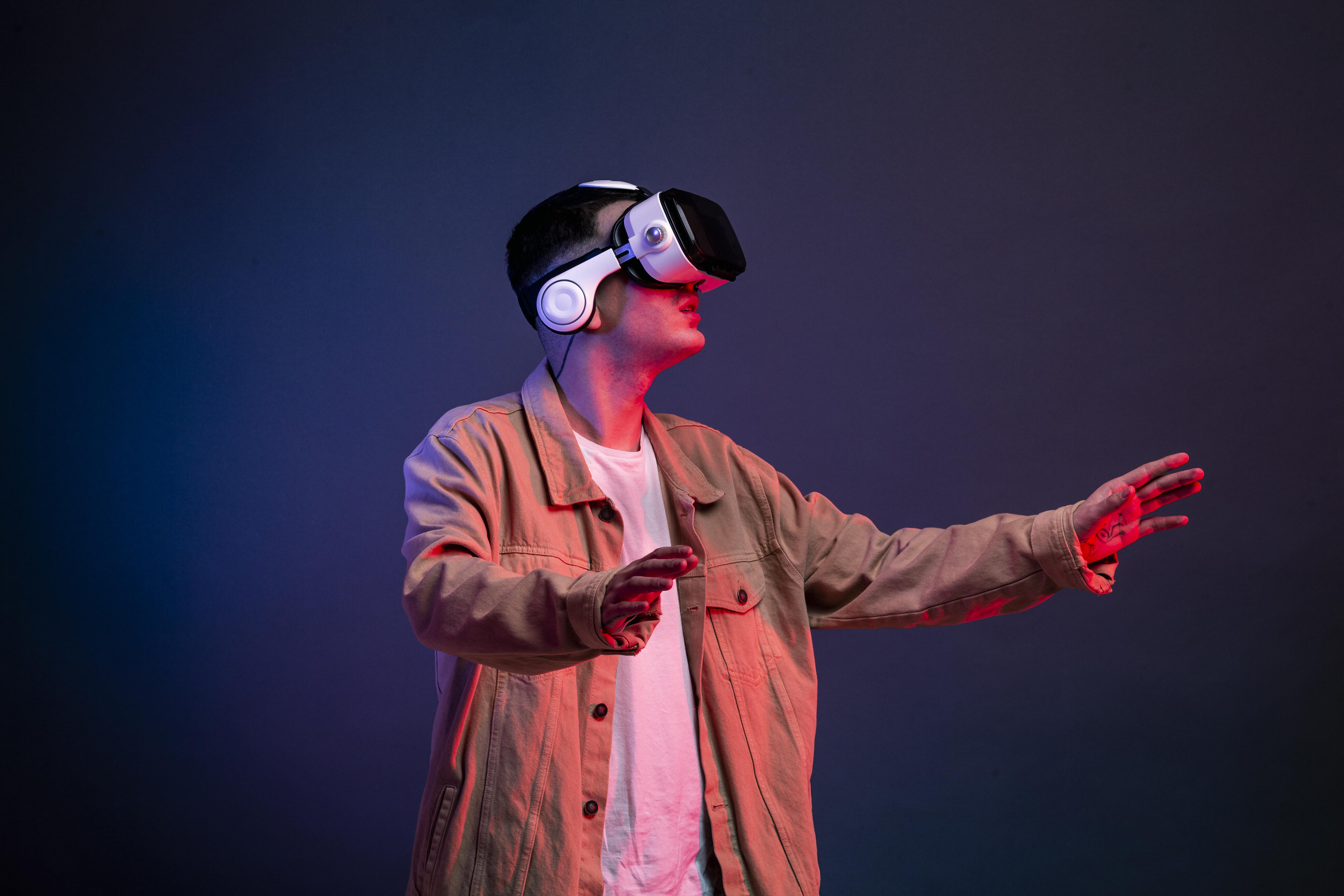
VR gaming provides a level of immersion that traditional gaming simply cannot match. When you're standing in a virtual world, looking around with your own eyes, and interacting with objects using natural movements, the experience becomes transformative.
2. Natural Interaction
AR and VR technologies enable more intuitive gameplay mechanics. Instead of pressing buttons on a controller, players can:
- Physically reach out and grab objects
- Use gestures and body movements as controls
- Interact with virtual elements in their real environment (AR)
- Experience spatial audio that responds to head movement
3. Social Gaming Evolution
VR is revolutionizing multiplayer gaming by enabling players to share virtual spaces and interact as if they were physically together. This creates new possibilities for:
- Virtual meetups and events
- Collaborative gameplay experiences
- Shared virtual environments
- Non-verbal communication through avatars
Development Challenges and Opportunities
Technical Challenges
Developing for VR/AR presents unique challenges that developers must overcome:
- Performance Optimization: Maintaining high frame rates for comfort
- Motion Sickness: Designing locomotion systems that don't cause discomfort
- Interaction Design: Creating intuitive and comfortable user interfaces
- Platform Fragmentation: Supporting multiple VR/AR devices and platforms
Exciting Opportunities
Despite the challenges, VR/AR development offers incredible opportunities:
- Creating entirely new genres of games
- Developing educational and training applications
- Building social platforms and virtual communities
- Exploring mixed reality experiences
My Experience with Unity XR Development
Throughout my journey as a Unity XR developer, I've worked on various VR and AR projects. Unity's XR framework has made it significantly easier to develop cross-platform XR applications. Some key insights from my experience:
- Start with simple interactions and gradually add complexity
- Prioritize user comfort and accessibility
- Test frequently on actual devices, not just in the editor
- Design for the unique capabilities of each platform
The Future Outlook
Looking ahead, I believe we'll see:
- Mainstream Adoption: VR/AR gaming becoming as common as mobile gaming
- Technological Convergence: Mixed reality experiences that blend VR and AR
- Cloud Gaming Integration: Streaming VR/AR content to reduce hardware requirements
- AI Integration: Smarter NPCs and adaptive gameplay experiences
Getting Started with VR/AR Development
For developers interested in VR/AR game development, here's my advice:
- Learn Unity and the XR Toolkit
- Start with simple prototypes
- Focus on user experience and comfort
- Join VR/AR developer communities
- Experiment with different interaction paradigms
What Developers Should Watch Next
If you are deciding where to invest your learning time, these are the shifts I would pay attention to rather than chasing any single headset.
- Mixed reality and passthrough: Blending virtual objects with the real room is turning headsets into spatial computers, not just gaming devices. Design for the user's environment, not a blank void.
- Hands and eyes as input: Controllers are no longer the only option. Hand tracking and gaze change how you think about menus, grabbing and feedback.
- Phone-based AR: With AR Foundation you can reach a large installed base without any extra hardware, which makes it the easiest place to ship a first project.
- Comfort as a design discipline: Locomotion options, stable frame rates and sensible camera behavior decide whether people stay in an experience or take the headset off.
- Performance budgets: XR renders more pixels, more often, closer to the eye. The optimization habits you learn on mobile transfer almost directly.
The practical takeaway: pick one platform, build one small interaction that feels great, and iterate on comfort before adding content. The Unity XR getting-started guide walks through that first prototype, and the mobile optimization techniques apply almost one-to-one.
Conclusion
VR and AR gaming represent the next frontier in interactive entertainment. As these technologies continue to evolve, they will offer developers unprecedented opportunities to create immersive, engaging, and meaningful experiences.
The future of gaming is not just about better graphics or faster processors—it's about creating experiences that transport players to entirely new worlds and enable them to interact with digital content in natural, intuitive ways.
As a developer passionate about XR technologies, I encourage everyone to explore these platforms and be part of shaping the future of gaming. The possibilities are limitless, and we're just getting started.